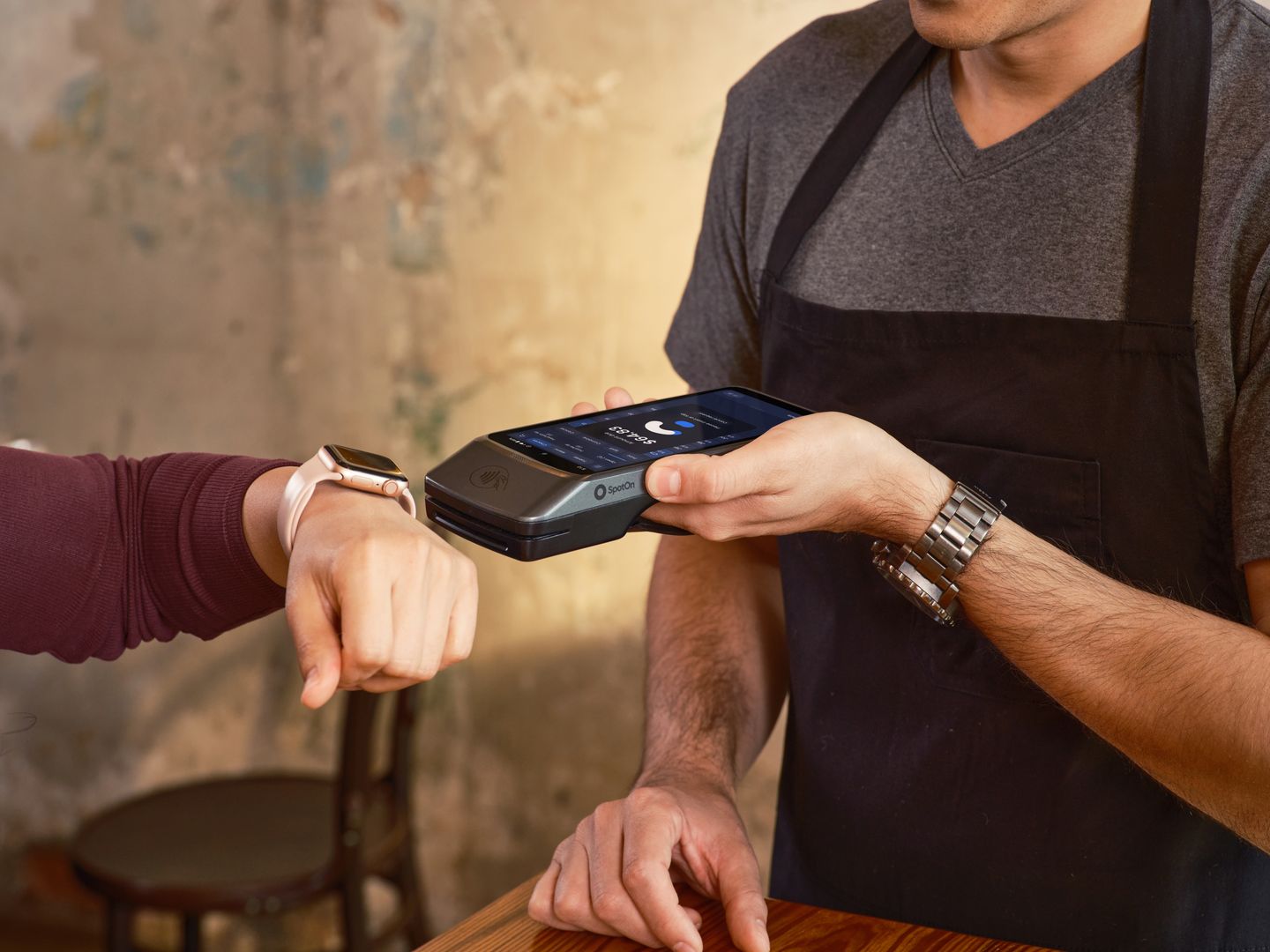
A mobile wallet is often the least painful way to pay, receive, and verify balances on the go. The interface is optimized for quick scanning, tap-to-confirm transactions, and integration with mobile operating system security features like biometric authentication and secure enclaves. For small everyday purchases—coffee, peer transfers, tipping—mobile wallets provide the friction-free experience that makes cryptocurrency feel like currency rather than an investment instrument.
The trade-off is that phones are constantly exposed to social engineering vectors that desktop computers rarely face. QR codes in public spaces can encode malicious addresses or phishing links. Messaging apps deliver fraudulent transaction requests disguised as legitimate payment flows. App stores host convincing clones of popular wallet applications, complete with stolen branding and fake reviews, waiting to harvest seed phrases from careless users.
Mobile operating systems provide robust sandboxing and permission controls, but they cannot protect against user decisions made under social pressure or urgency. A convincing message from a spoofed contact asking for an urgent payment, a QR code at a compromised merchant terminal, or a notification that appears to come from your wallet provider—all of these exploit the high-interaction, high-trust environment that makes mobile devices useful in the first place.
Device churn creates additional risk. Phones are upgraded, lost, stolen, or damaged more frequently than desktop computers or dedicated hardware wallets. Each transition event is an opportunity for recovery failure: a backup that wasn't tested, a seed phrase that wasn't recorded accurately, a passphrase that was only stored in the old device's notes app. The faster replacement cycle means mobile wallet users face recovery scenarios more often than other wallet types.
If you use a mobile wallet, two habits are essential. First, keep only a spendable amount there—treat it as a checking account rather than a vault. The exact threshold depends on your risk tolerance and transaction patterns, but if losing your phone would cause financial distress, you're holding too much on mobile. Second, treat phone replacement as a forcing function for backup verification. Before you erase the old device, confirm that you can restore from seed phrase on a test device.
The mobile wallet's strength—ubiquity and ease of use—makes it the entry point for most users' first self-custody experience. That role is valuable, but it should be temporary. As holdings grow or as users encounter their first social engineering attempt, the logical evolution is to migrate primary holdings to a hardware wallet while keeping the mobile wallet funded only for operational needs.
Platform-specific risks differ between iOS and Android. iOS benefits from tighter app review and a more constrained permission model, but also from a more centralized trust model where compromising Apple's infrastructure would affect all users simultaneously. Android offers greater flexibility and open-source transparency but faces a more fragmented ecosystem where security update cadence varies by manufacturer and carrier.
Neither platform eliminates the fundamental tension: mobile wallets prioritize convenience in an environment designed for constant interaction, while security requires isolation and deliberate friction. The best mobile wallet implementations acknowledge this tension by limiting on-device key storage to small amounts, encouraging hardware wallet integration for signing larger transactions, and providing clear recovery documentation that users actually test before they need it.